TheDPDPAct.com -
Official WhatsApp Channel
Stay updated with the latest DPDP Act news, compliance insights, updates, and resources.
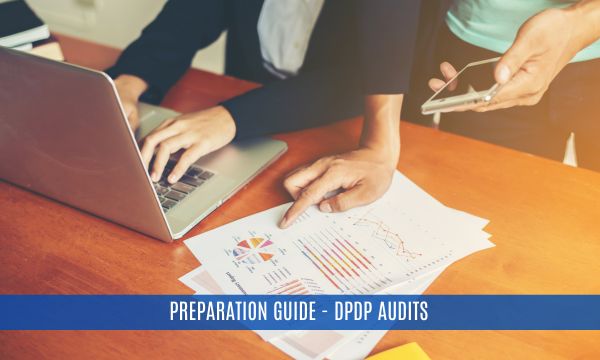
Join Our WhatsApp Channel →As enforcement of the Digital Personal Data Protection Act, 2023 progresses, Indian businesses are entering a new phase of compliance - audit readiness.
For many organizations, the challenge is no longer understanding the law or even implementing controls. The real test lies in answering a critical question:
Can you demonstrate compliance when required?
Because under DPDP, compliance is not theoretical—it must be provable, documented, and auditable.
This guide explains how to prepare for a DPDP audit, including:
* What regulators expect
* The documentation you must maintain
* Controls that need to be in place
* Common gaps that lead to audit failures
Understanding DPDP Audit Expectations
The Digital Personal Data Protection Act, 2023 establishes a framework where organizations (Data Fiduciaries) are accountable for:
* Lawful processing of personal data
* Implementing reasonable security safeguards
* Enabling rights of Data Principals
* Reporting personal data breaches
Unlike legacy compliance models, DPDP emphasizes accountability and demonstrability.
This means: It’s not enough to say “we are compliant”
You must show:
* Policies
* Records
* Evidence of implementation
What Does “Audit Ready” Actually Mean?
Audit readiness under DPDP means your organization can:
* Produce complete and accurate documentation
* Demonstrate operational controls in action
* Show traceability of data processing activities
* Provide evidence of compliance decisions
In practical terms, this requires aligning people, processes, and technology.
Core Documentation Required for DPDP Audit
Documentation forms the backbone of audit readiness. Based on regulatory expectations and emerging best practices, organizations should maintain the following:
1. Data Processing Records
You must maintain a clear record of:
* What personal data is processed
* Purpose of processing
* Data sources
* Data sharing details
This aligns with the principle of purpose limitation and accountability
2. Consent Records & Logs
Consent is a central pillar of DPDP.
You should be able to demonstrate:
* When consent was obtained
* What the user was informed about
* How consent can be withdrawn
Consent must be:
* Free
* Informed
* Specific
* Unambiguous
3. Privacy Notices & Policies
Organizations must maintain:
* Public-facing privacy notice
* Internal data protection policies
* Data retention and deletion policies
These documents must clearly define:
* Data usage
* Retention timelines
* User rights
4. Data Retention & Deletion Records
DPDP requires data to be retained only as long as necessary.
Audit evidence should include:
* Retention schedules
* Deletion logs
* Justification for retention periods
5. Vendor & Third-Party Agreements
Since organizations remain accountable for third-party processing:
You must maintain:
* Data processing agreements
* Vendor compliance checks
* Risk assessments of vendors
6. Incident & Breach Records
The law mandates reporting of personal data breaches.
You should document:
* Incident logs
* Response timelines
* Corrective actions taken
Industry guidance suggests timely breach notification is critical to compliance posture.
Controls That Must Be in Place
Documentation alone is not enough. Auditors will evaluate whether controls are actually implemented and effective.
1. Access Control Mechanisms
* Role-based access to data
* Authentication controls
* Monitoring of access logs
2. Data Protection & Security Measures
DPDP requires “reasonable security safeguards.”
This typically includes:
* Encryption
* Secure storage
* Network protection
* Endpoint security
3. Consent Management Systems
Organizations must have systems to:
* Capture consent
* Track consent status
* Enable withdrawal
4. Data Lifecycle Management
Controls should exist for:
* Data collection
* Processing
* Storage
* Deletion
5. Grievance Redressal Mechanism
DPDP requires organizations to provide a mechanism for:
* Handling user complaints
* Responding to data-related requests
How to Conduct an Internal DPDP Audit
Before facing external scrutiny, organizations should conduct internal audits.
A structured approach includes:
Step 1: Review Documentation
Verify completeness and accuracy of records
Step 2: Validate Controls
Check whether policies are actually implemented
Step 3: Test Processes
Simulate:
* Data access requests
* Consent withdrawal
* Incident response
Step 4: Identify Gaps
Document non-compliance areas
Step 5: Remediate
Fix gaps and strengthen controls
Common DPDP Audit Failures
Based on early compliance observations, organizations typically fail audits due to:
* Incomplete Data Visibility - No clear understanding of data flows
* Weak Consent Records - Missing or poorly documented consent
* Outdated or Generic Policies - Policies not aligned with actual operations
* Lack of Vendor Oversight - No control over third-party data processing
* Poor Incident Preparedness - No structured breach response mechanism
These gaps are not just technical—they reflect lack of governance maturity.
The Growing Importance of Audit Readiness
India’s data economy is expanding rapidly, and regulatory focus is increasing.
According to industry analyses, organizations that proactively build compliance frameworks:
* Reduce breach risks
* Improve operational efficiency
* Strengthen customer trust
At the same time, penalties under DPDP can reach up to INR 250 crore, making audit readiness a business-critical priority.
From Compliance to Demonstrability
A key shift introduced by the Digital Personal Data Protection Act, 2023 is this:
Compliance is no longer about intent—it is about evidence.
Organizations must move from:
* We have policies
to
* We can demonstrate how those policies work in practice.
DPDP audit readiness is not a last-minute activity—it is the outcome of structured compliance.
Organizations that prepare early will:
* Avoid regulatory surprises
* Reduce operational risks
* Build long-term resilience
The goal is simple: Be able to demonstrate, at any point in time, that your organization handles personal data responsibly and lawfully.
Prepare for Your DPDP Audit
Not sure if your organization is audit-ready?
* Get a DPDP Audit Readiness Assessment
* Identify gaps before regulators do