Home
About Us
Services
Application Security
Penetration Testing
Vulnerability Assessment And Penetration Testing VAPT
Business Logic Testing
Mobile App Security Testing
Web Services and API Assessment
Static And Dynamic Code Analysis
Malware Analysis
Application Security Testing
Secure Software Development Life Cycle
Network Security
Firewall Security Testing
Data Center and Application Migration
Wireless Penetration Testing
IoT Penetration Testing
Network Vulnerability Assessment and Penetration Testing
VoIP Vulnerability Assessment and Penetration Testing
Server Auditing and Hardening
Cloud Security Services
Managed Services
Red Team Testing
Vulnerability Assessment
Cyber Attack Simulation
Social Engineering Assessment
Strategic Security Solutions
Virtual CISO Services
Incident Response Management
Security Policy Change Management
Network Segmentation
Ethical Hacking
Security Operations Center
Cyber Due Diligence Services
Compliances
ISO 27001 Consulting
PCI DSS Compliance
ICS SCADA Security Testing
SOC2 Assessment
DPDP
GDPR
PDPA
CDR
HIPAA Compliance
NIST Cybersecurity Framework
Industries
Information Technology
Government Sector
Retail & E-Commerce
Telecommunications
Healthcare Sector
BFSI
Resources
Cyber Security Lab
Infosec Defence
Ebooks
Blogs
Updates
Contact Us
No Data Found.
Home
Blog
Blog Details
01/01/1970
Comments
Comments
No Comments Found.
SUBMIT
Search Here
Categories
Cyber Security
Security Testing
Compliance
PenTesting
Red Team Testing
Recent Posts
Quantum Internet & Cybersecurity: What Businesses Need to Know Before It’s Too Late
March 17, 2026
Why Marco Stealer Malware Is Considered Dangerous: Understanding the New Generation of Data-Stealing Threats
February 24, 2026
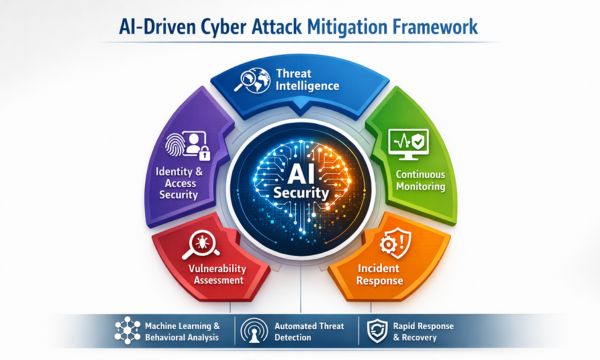
AI-Driven Cyber Attack Mitigation Plan for India: Building Intelligent Cyber Resilience
February 22, 2026
Archives
March
17
February
24
February
22
February
22
February
21
Updates
Enhancing Cybersecurity: A Proactive Approach to Protecting Digital Assets
OWASP Top 10 vulnerabilities 2022
How to respond when you detect a Cyber attack in your organisation?