TheDPDPAct.com -
Official WhatsApp Channel
Stay updated with the latest DPDP Act news, compliance insights, updates, and resources.
Join Our WhatsApp Channel →The conversation around artificial intelligence has moved far beyond innovation labs and tech conferences. Today, AI is sitting inside security operation centers, scanning billions of events, identifying anomalies in milliseconds, and quietly preventing attacks before they escalate.
Cybersecurity has entered a new era — and AI is not just supporting it; it is reshaping it.
For businesses across India, especially those navigating rapid digital transformation, the shift toward AI-powered defense is no longer optional. It is strategic. This is where the emergence of an AI Cyber Security Company Kerala India represents more than a regional label — it reflects how India’s cybersecurity ecosystem is evolving to meet global standards with intelligent, adaptive protection models.
The Turning Point: Why AI Became Essential in Cybersecurity
A decade ago, cybersecurity largely relied on rule-based detection systems and manual investigation. Firewalls blocked known threats. Antivirus software scanned for known signatures. Analysts reviewed alerts one by one.
But today’s threat landscape looks very different.
-
* Attackers use automation and AI to scan networks at massive scale.
-
* Phishing emails are generated with near-perfect grammar and contextual personalization.
-
* Malware evolves faster than traditional signature updates can keep up.
-
* Deepfake technology is being used in financial fraud and social engineering.
According to recent industry studies, over 75% of cybersecurity teams now integrate AI tools into daily operations, and more than 80% of organizations plan to increase AI investment in security over the next two years. The reason is simple: speed and scale.
AI can analyze patterns across millions of data points in seconds — something no human team can replicate manually.
The battlefield has changed. Defenders must be as intelligent as attackers.
Defining the Role of AI in Cybersecurity
AI in cybersecurity is not a single tool. It is a layered capability embedded across defense systems. Its role can be understood across five key dimensions:
1. Predictive Threat Detection
Instead of waiting for a signature match, AI models analyze behavior. If a user account suddenly logs in from an unusual geography at 3 AM and attempts large data transfers, the system flags it — even if the attack method is new.
2. Automated Incident Response
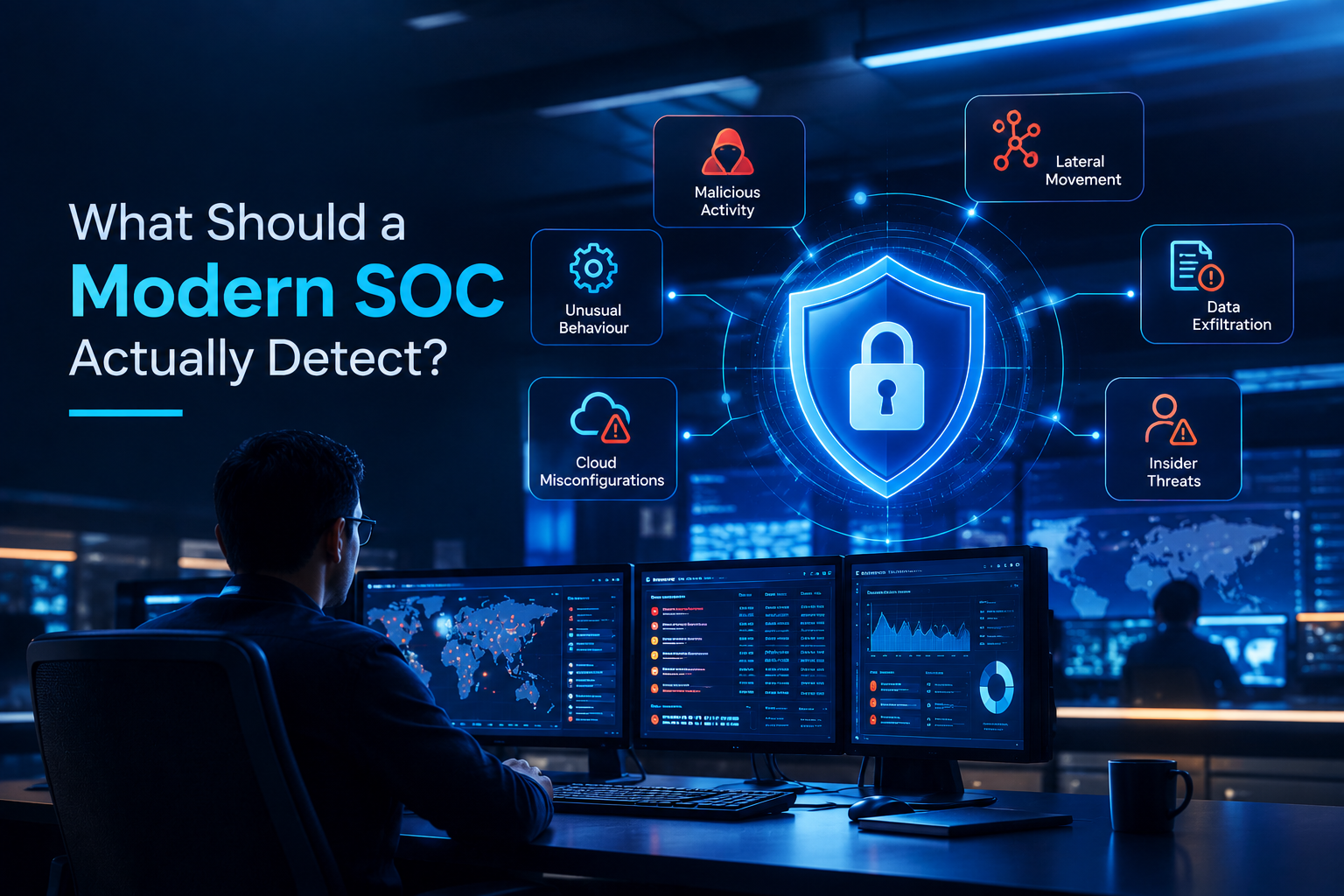
AI reduces response time by triggering containment workflows automatically. Isolating a compromised endpoint in seconds can prevent lateral movement within the network.
3. Vulnerability Intelligence
Machine learning helps prioritize vulnerabilities based on exploit likelihood and business impact, enabling organizations to fix what truly matters first.
4. Fraud and Deepfake Detection
With AI being used in voice cloning and identity manipulation, defensive AI models now help identify anomalies in biometric patterns and transaction behavior.
5. Security Operations Efficiency
AI filters false positives and correlates alerts, allowing human analysts to focus on real threats instead of alert fatigue.
This is not about replacing human expertise. It is about amplifying it.
How Cybersecurity Companies Are Adapting to AI
The evolution is visible across India’s cybersecurity sector.
Traditional service providers are:
-
* Integrating AI-powered Security Information and Event Management (SIEM) systems.
-
* Enhancing Managed Detection and Response (MDR) capabilities with behavioral analytics.
-
* Embedding AI tools into vulnerability assessments and penetration testing workflows.
-
* Automating compliance reporting and audit mapping using intelligent systems.
The shift is not cosmetic — it is structural.
India’s cybersecurity market is projected to grow significantly over the next few years, with strong investment in AI and cloud security. Organizations are no longer asking whether AI should be part of their defense stack. They are asking how quickly they can implement it responsibly.
An AI Cyber Security Company Kerala India today is expected to offer more than manual assessments. It must deliver intelligent, adaptive, scalable protection models aligned with global digital risk trends.
The Business World is Evolving — and So Are Its Risks
Digital transformation is accelerating across industries — manufacturing, healthcare, SaaS, fintech, logistics, and government sectors alike. Cloud adoption, remote work, IoT integration, and automation have expanded the attack surface dramatically.
With AI now embedded in business operations themselves — from customer chatbots to predictive analytics — a new layer of risk emerges:
-
* AI model manipulation
-
* Data poisoning attacks
-
* API vulnerabilities in AI systems
-
* Shadow AI usage within organizations
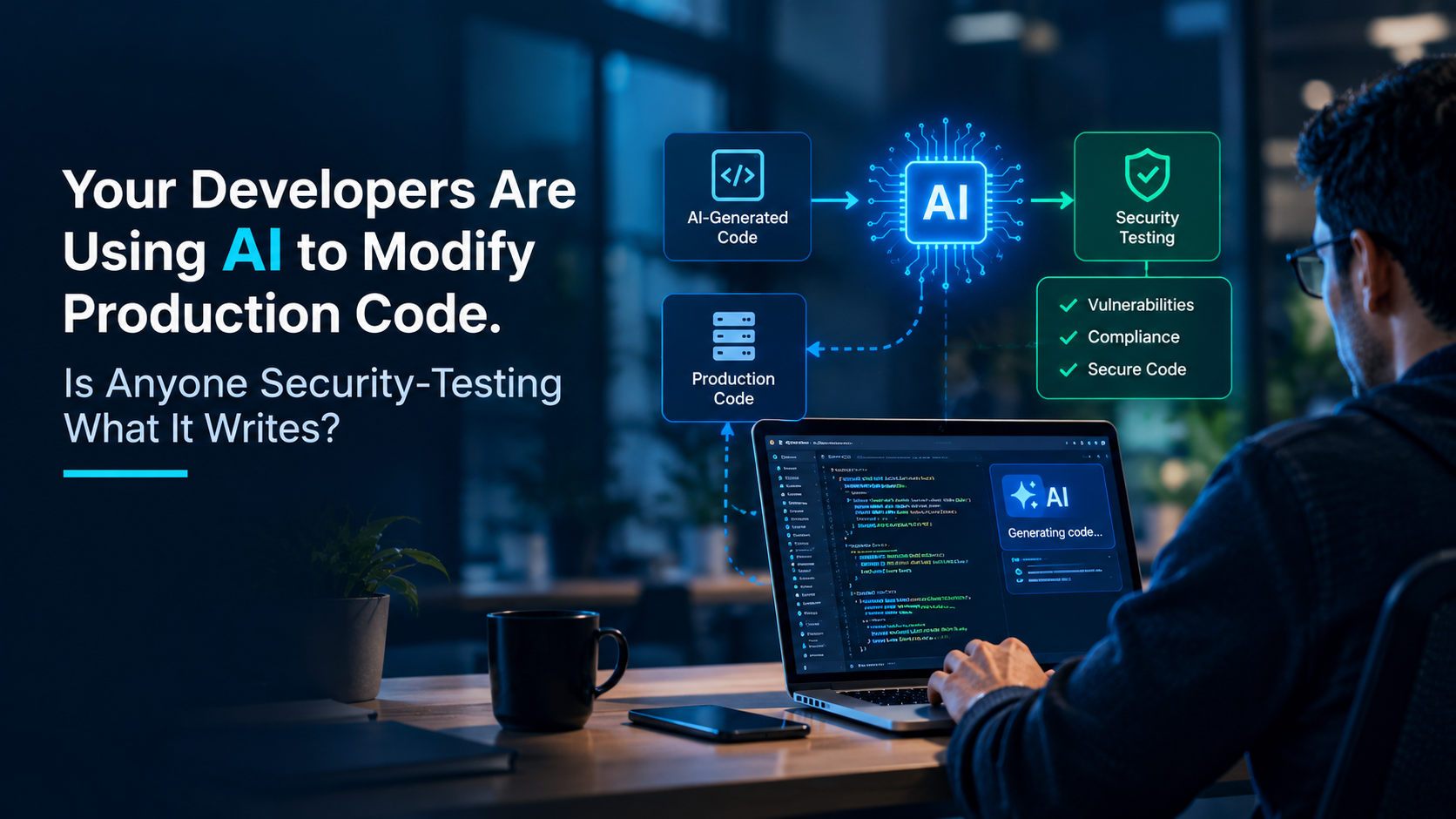
As enterprises immerse themselves in AI-driven operations, cybersecurity must evolve in parallel. The focus is no longer just infrastructure security. It is also AI security — protecting the algorithms, data pipelines, and decision engines businesses now depend on.
This intersection is where modern cybersecurity consulting firms are redefining their role.
The Indian Perspective: Intelligence with Context
India’s digital economy is one of the fastest growing globally. With initiatives driving digital inclusion and cloud adoption, cybersecurity has become a boardroom priority.
Indian organizations are increasingly:
-
* Aligning with global compliance standards such as ISO frameworks and SOC reporting.
-
* Investing in AI-enabled monitoring solutions.
-
* Strengthening cyber resilience strategies rather than reactive security postures.
In this environment, cybersecurity companies based in India — including those emerging from technology ecosystems like Kerala — are uniquely positioned. They combine strong technical talent pools with cost-efficient service delivery and a deep understanding of regulatory frameworks.
An AI Cyber Security Company Kerala India is not just offering services locally. It is participating in a national and global security transformation.
Where Intelligence Meets Security Strategy
Within this evolving landscape, firms like Illume Intelligence represent the next generation of cybersecurity consulting and compliance organizations.
Rather than positioning AI as a marketing buzzword, the integration is practical and layered:
-
* Enhancing vulnerability assessments with intelligent risk prioritization.
-
* Supporting red-team simulations with data-driven attack modeling.
-
* Strengthening compliance readiness with automation-assisted reporting.
-
* Improving security monitoring through behavioral anomaly detection.
The strength lies not in automation alone, but in combining AI capabilities with experienced security professionals who interpret context, business risk, and compliance impact.
In other words, AI becomes an enabler — not the sole solution.
The Road Ahead: Intelligent Resilience
Cybersecurity is moving from static defense to adaptive resilience. Organizations need security systems that learn, evolve, and anticipate.
The future belongs to businesses that:
-
* Integrate AI responsibly into both operations and defense.
-
* Prioritize predictive over reactive security models.
-
* Choose cybersecurity partners who understand both compliance and intelligence.
As AI continues to transform industries, cybersecurity must transform faster.
The phrase AI Cyber Security Company Kerala India is no longer just a keyword. It represents a broader reality: Indian cybersecurity firms are embracing intelligent defense models that match global standards, while staying rooted in strategic consulting and compliance expertise.
AI will not eliminate cyber threats. But when applied intelligently, it dramatically shifts the balance in favor of defenders.
And in that shift lies the real opportunity — not just to prevent attacks, but to build digital ecosystems that are secure, resilient, and prepared for what comes next.