Fixing an AI vulnerability after launch costs ten times more than catching it at the design stage. We help you build securely from the first prompt template onward.
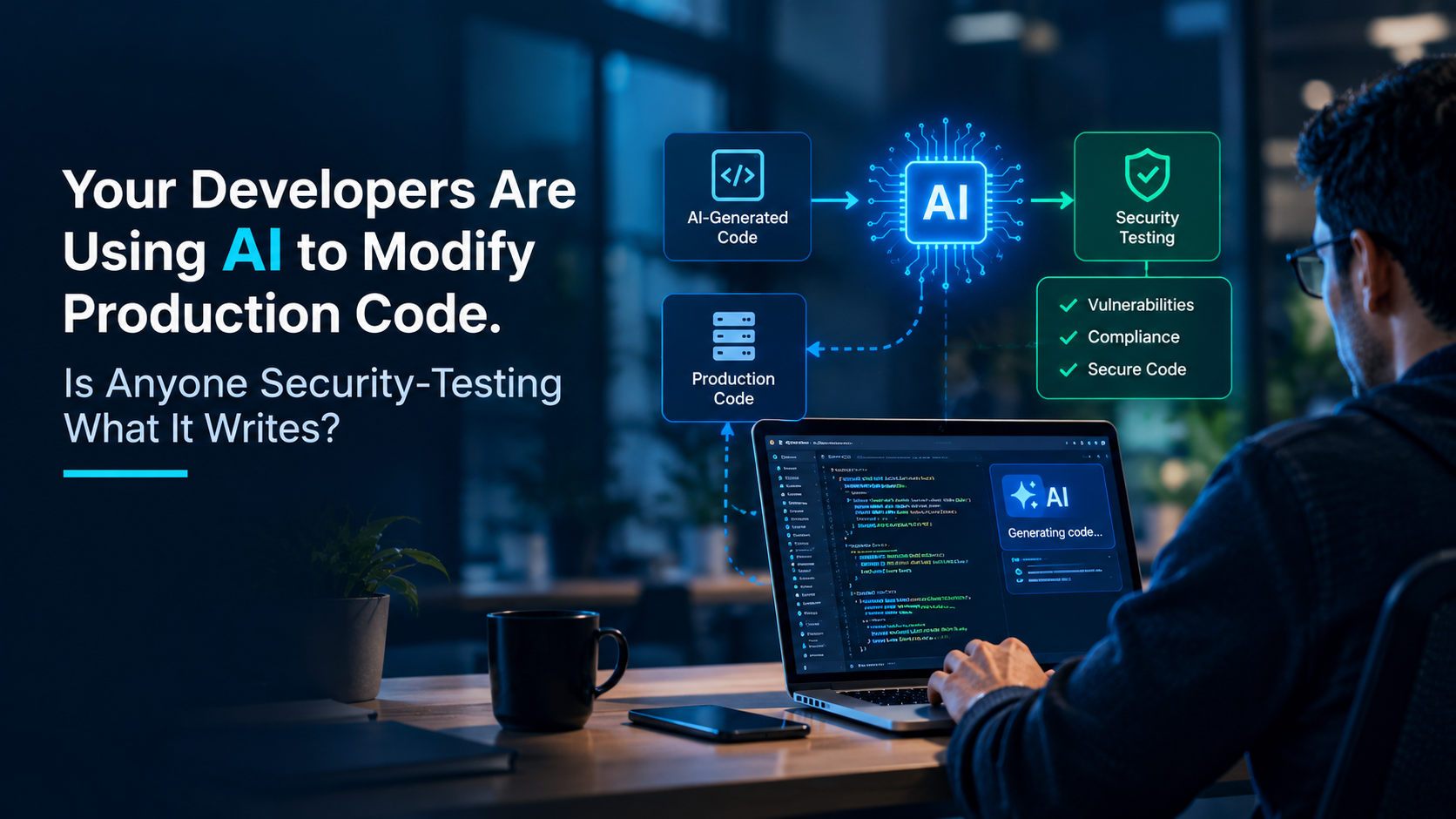
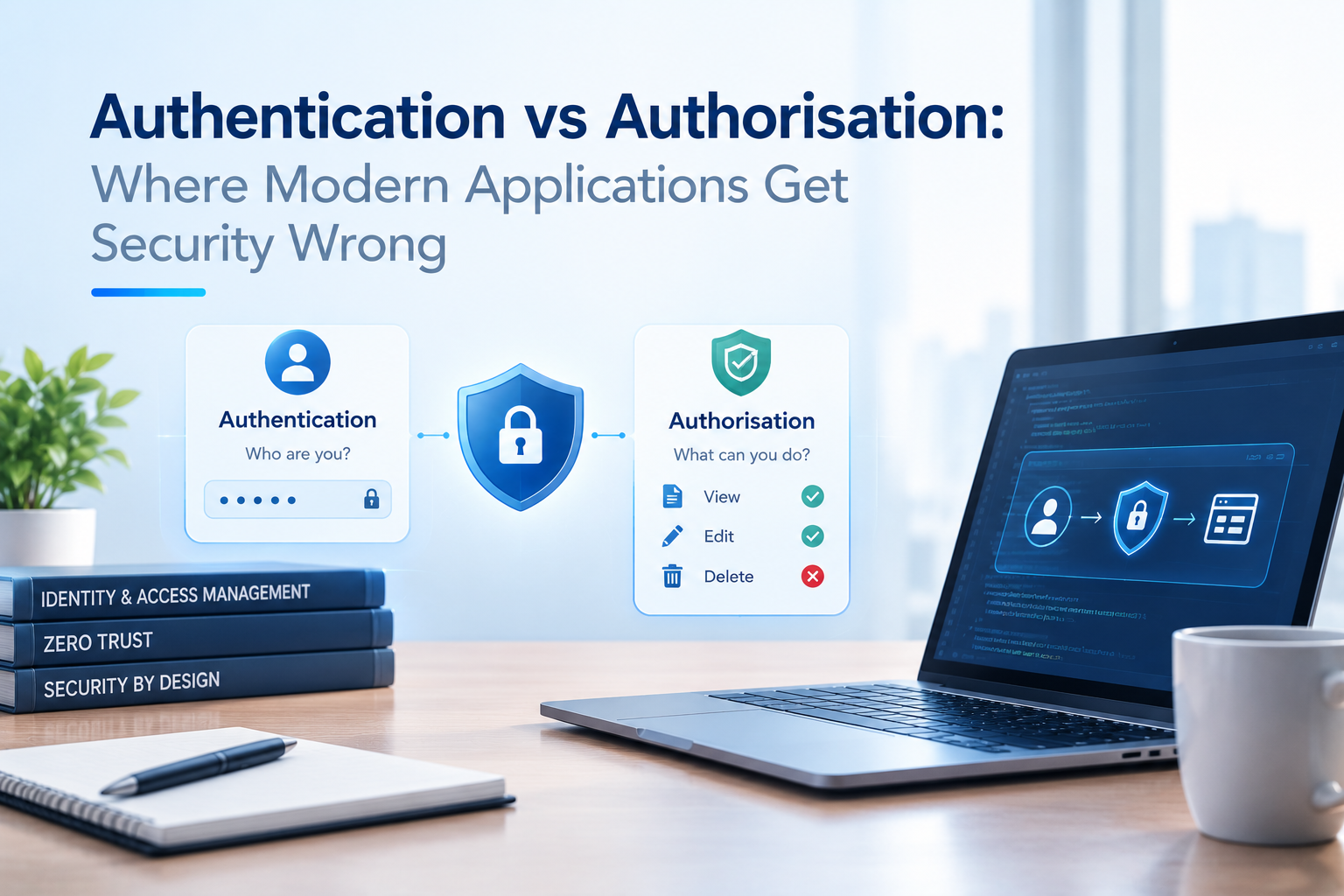
Most AI security failures aren't discovered in production — they're built in months earlier, during design decisions nobody flagged as risky at the time. Secure AI Development from ILLUME Intelligence embeds security thinking directly into your AI build process, from initial architecture through deployment. Instead of testing for vulnerabilities after your AI feature ships, we help your team identify and eliminate them while the system is still being designed and built. This is Secure SDLC extended for the realities of AI — model selection, prompt architecture, data pipelines, and agentic behavior — so security becomes part of how your team builds, not a gate at the end.
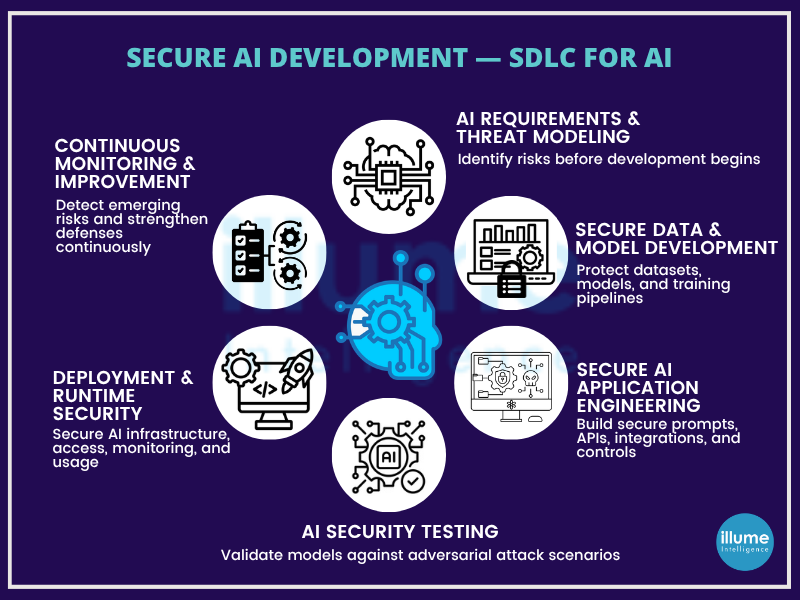
What Secure AI Development Covers
We work across the full AI build lifecycle, integrating security checkpoints at the stages where decisions are cheapest to change.
* AI Threat Modeling — Identifying likely attack paths and misuse scenarios specific to your AI system's architecture before a single line of code is written.
* Secure Prompt & System Design Review — Evaluating system prompt architecture, guardrail design, and context-handling logic for structural weaknesses.
* Secure Data Pipeline Design — Reviewing how training, fine-tuning, and inference data flows through your system for exposure and integrity risks.
* Model Selection & Integration Guidance — Advising on security trade-offs between foundation models, hosting options, and integration approaches before commitments are made.
* Agentic Architecture Review — Assessing planned permissions, tool access, and autonomy levels for AI agents before they're built into production workflows.
* Secure Coding Practices for AI Features — Guiding development teams on secure implementation patterns specific to AI-integrated code, not just general application security practices.
How ILLUME Embeds Security Into Your AI Development Lifecycle
We work alongside your team at the stages where security decisions are still cheap to make, not after the architecture is locked in.
1. Early Threat Modeling — Before design finalizes, we map out how your specific AI system could be attacked or misused, based on its intended function and data access.
2. Design-Stage Security Review — We review architecture decisions, prompt structures, and data flows while they're still whiteboard sketches, not shipped code.
3. Build-Stage Guidance — As development progresses, we provide secure coding guidance specific to AI integration points, reviewed alongside your existing development workflow.
4. Pre-Launch Validation — Before go-live, we validate that the security controls designed earlier were actually implemented as intended.
5. Developer Enablement — We equip your engineering team with practical checklists and patterns, so secure AI development becomes a repeatable habit, not a one-time consulting engagement.
6. Post-Launch Handoff — For continued assurance, this service pairs naturally with AI Red Teaming and AI VAPT once the system reaches production.
What's Offered Under Secure AI Development
* AI-specific threat modeling workshops
* Secure architecture and design reviews
* Prompt and guardrail design consultation
* Secure data pipeline architecture review
* Agentic system permission and autonomy review
* Developer training on secure AI coding practices
* Pre-launch security validation checkpoints
Why "Test It At The End" Doesn't Work for AI
Traditional application security learned this lesson years ago — vulnerabilities caught in design cost a fraction of what they cost in production. AI systems make this gap even wider, because architectural decisions like prompt structure, model choice, and agent permissions are difficult and expensive to unwind once a product is built around them. Waiting for a red team or pentest to catch these issues after launch means your team is now redesigning core AI behavior under deadline pressure, in front of customers already using the feature.
How This Fits With ILLUME's Other AI Services
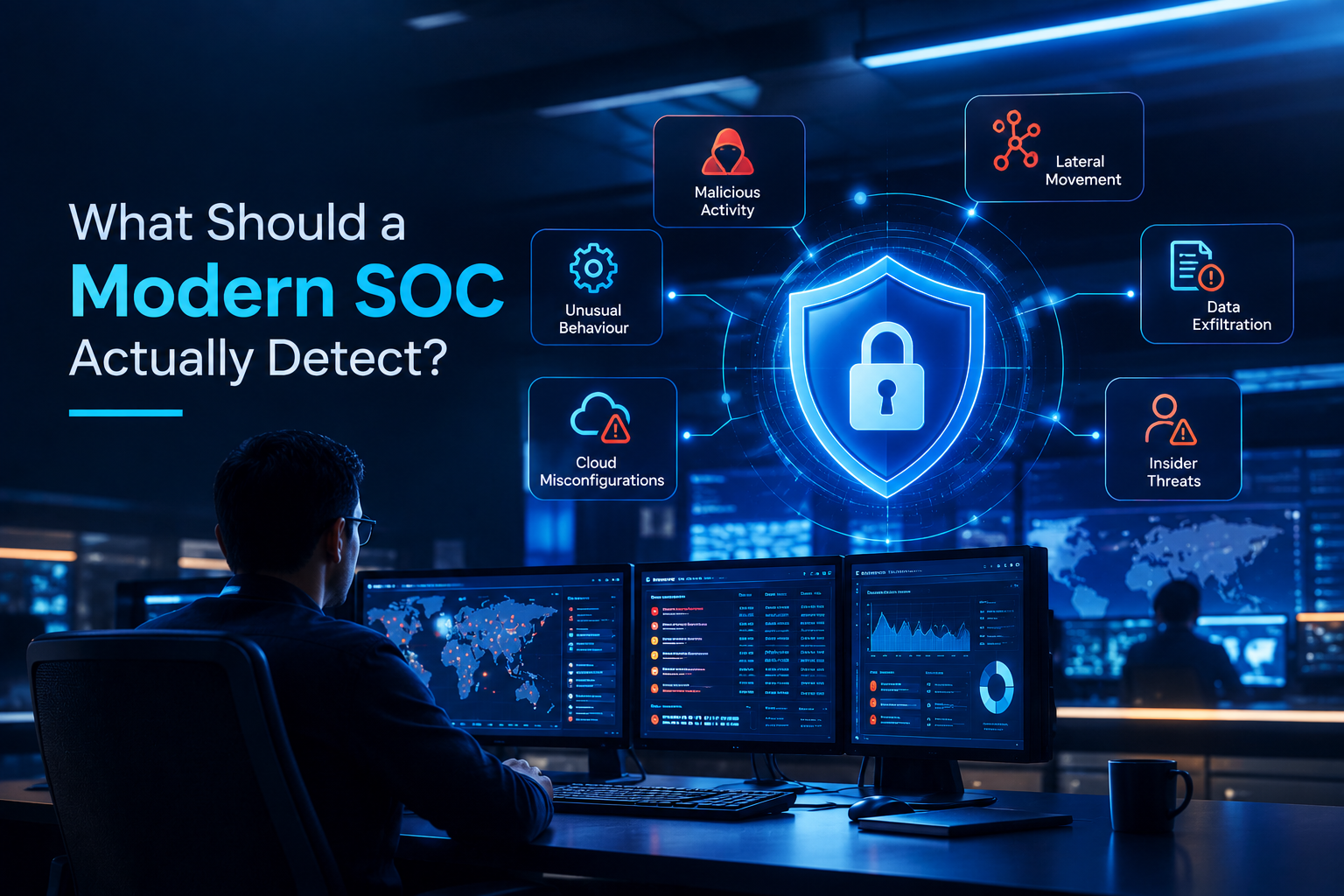
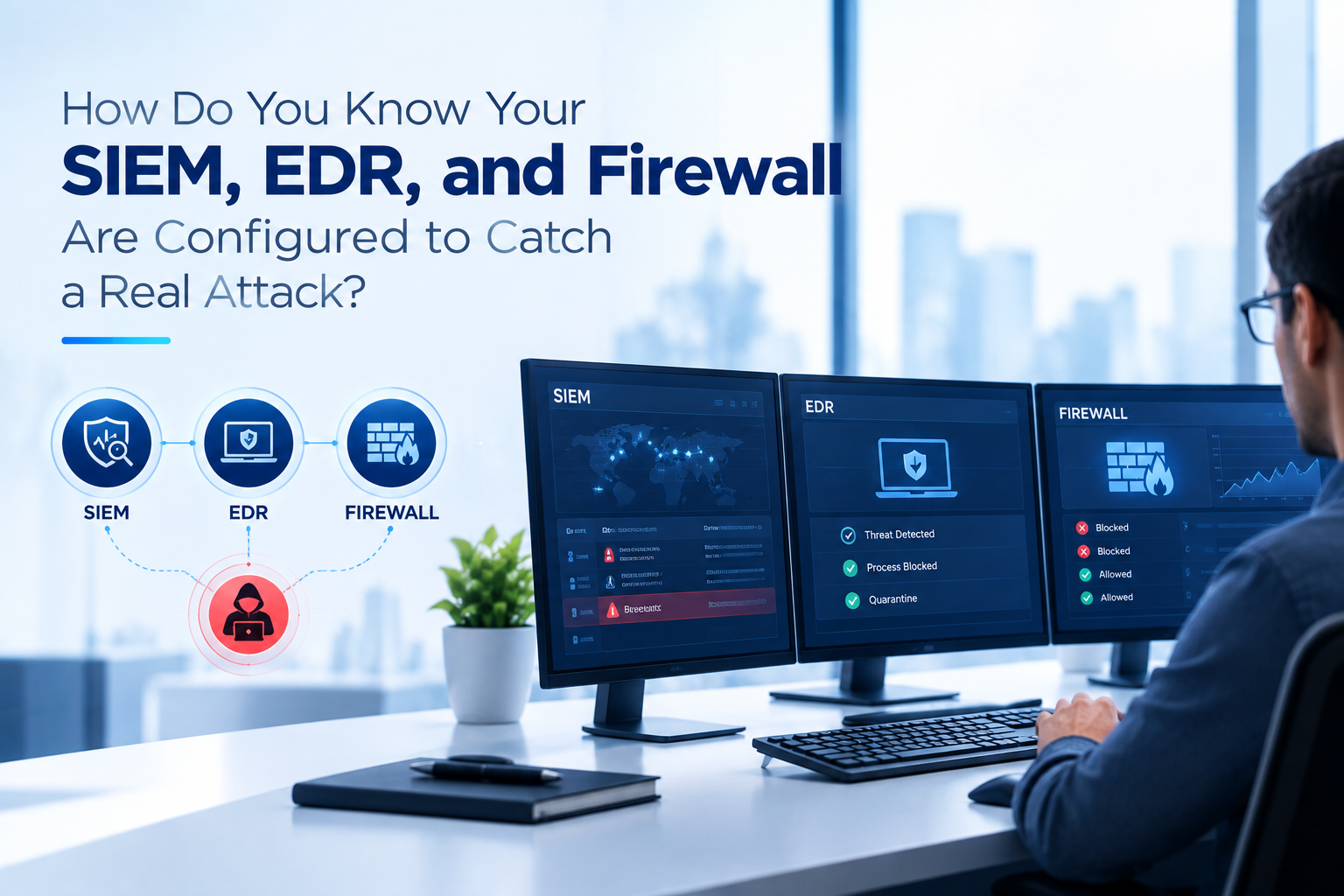
Secure AI Development is the proactive counterpart to our testing-focused services. Where AI Red Teaming and AI VAPT find vulnerabilities in systems that already exist, this service prevents many of those vulnerabilities from being built in the first place. Clients often start here for new AI initiatives, then move into red teaming and VAPT closer to launch for independent validation — building security in at every stage rather than relying on a single late-stage check.
What Makes Our Approach Different
* We work with your team, not around it. This isn't a report delivered after the fact — our security guidance is embedded into your actual development process, alongside your engineers and architects.
* Grounded in real offensive security experience. Our guidance comes from people who've broken AI systems through red teaming and VAPT, so the secure design patterns we recommend are based on real attack knowledge, not theoretical best practice.
* Built for how AI teams actually work. We adapt to your existing development workflow and tooling rather than asking your team to adopt a rigid new process.
What You Will Receive
* A documented threat model for your AI system
* Design and architecture review findings with specific recommendations
* Secure coding guidance tailored to your AI integration points
* A pre-launch security validation checklist
* Developer-facing reference materials for ongoing secure AI development
* A clear handoff point into red teaming or VAPT for pre-launch validation
Why This Matters Now
AI features are shipping faster than most organizations' security processes were designed to handle. Teams under pressure to launch quickly often treat security as a post-launch concern, which is exactly how avoidable vulnerabilities end up in production. Building security into the AI development lifecycle from the start isn't just safer — it's faster in the long run, because it avoids the costly redesign work that comes from catching architectural problems after a system is already live.