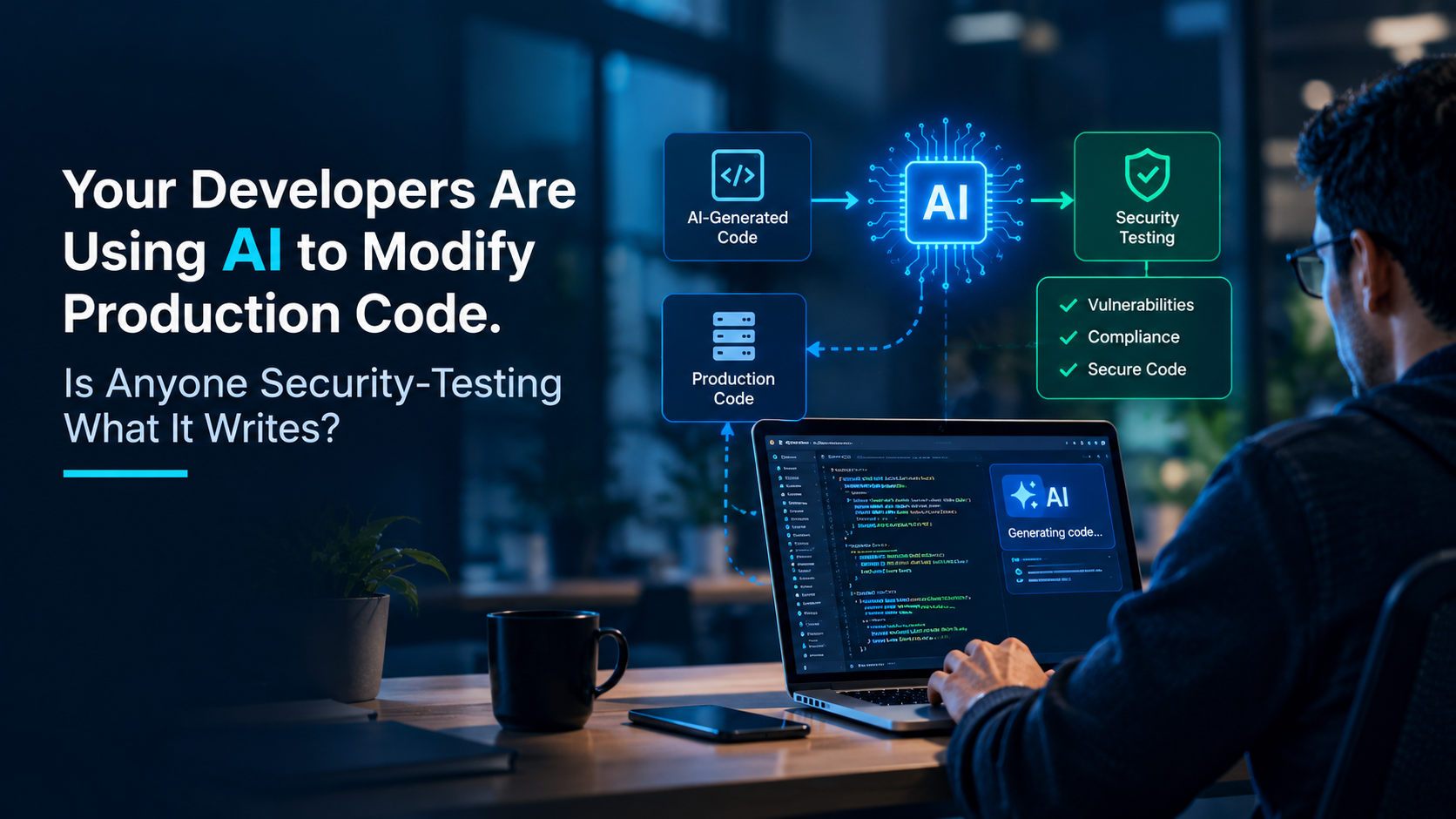
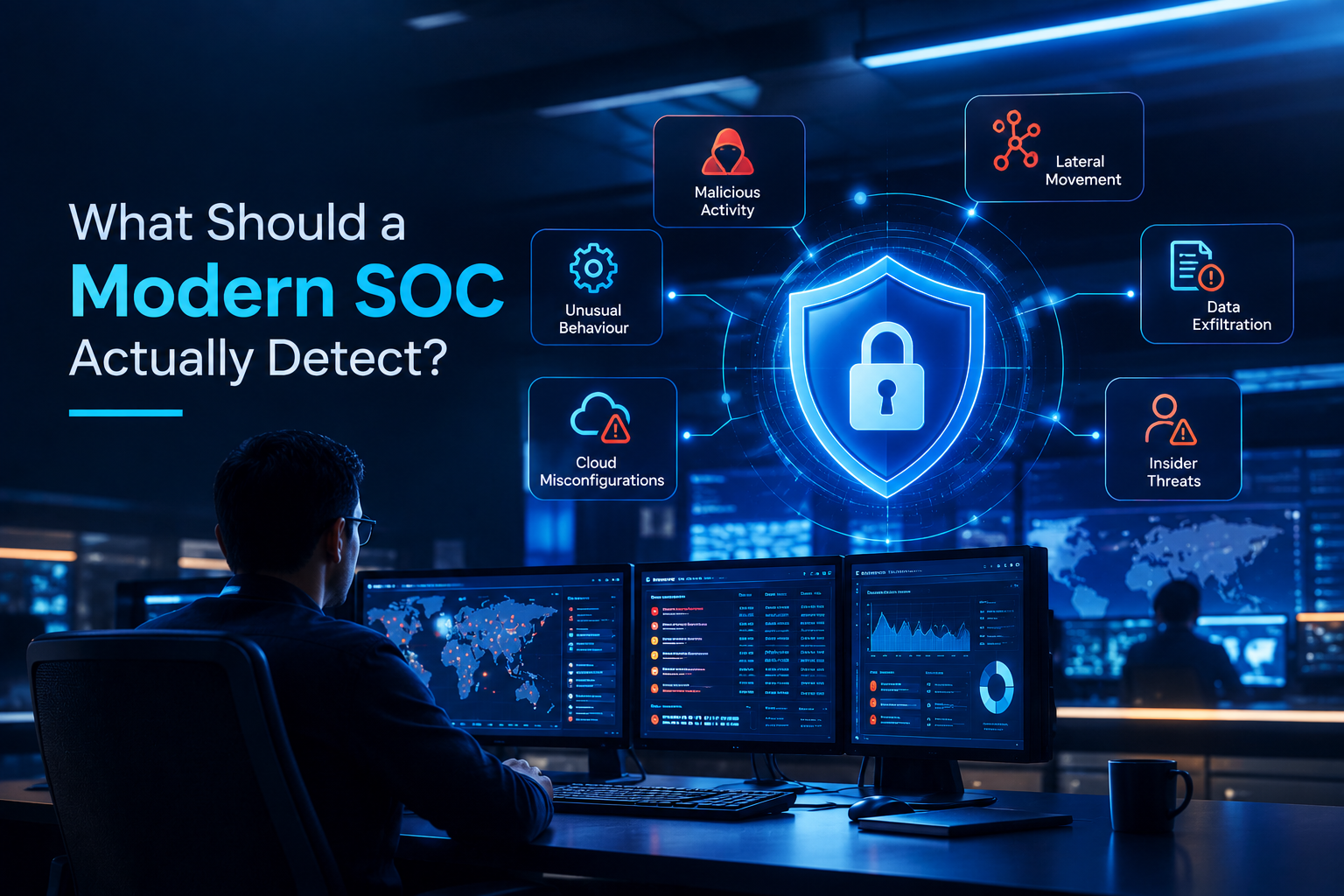
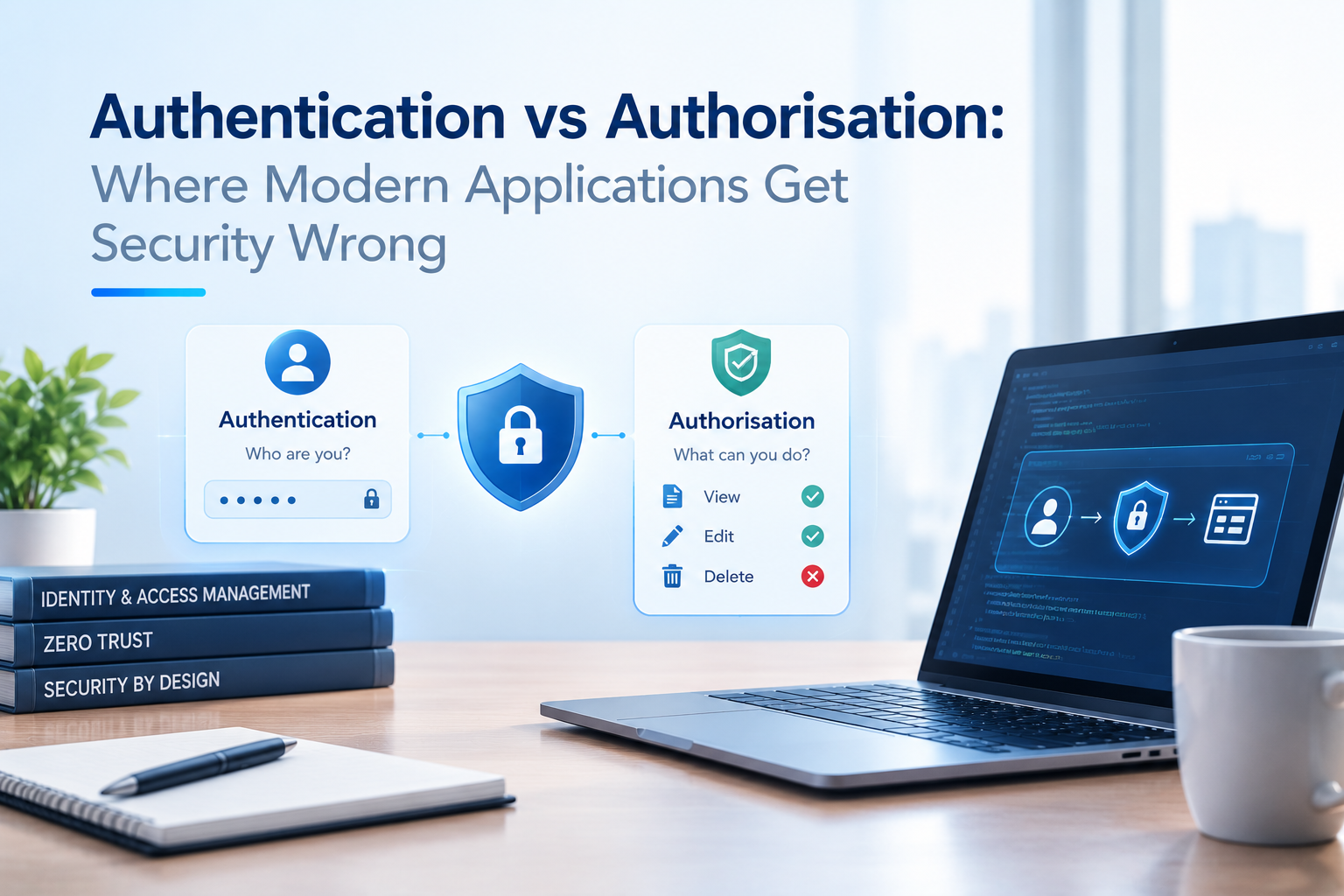
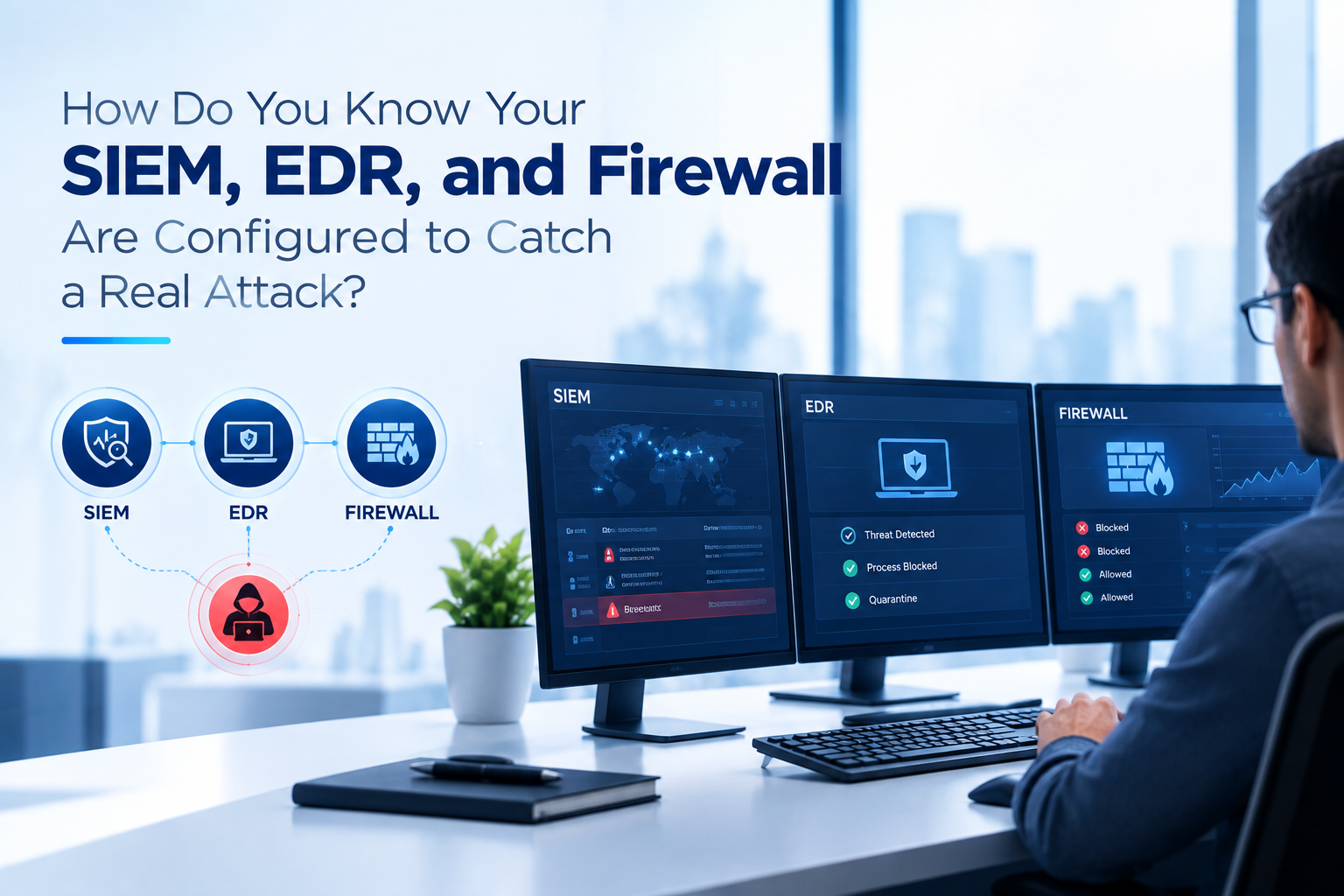
When your AI leaks data, gets manipulated into something harmful, or goes viral for the wrong reason, minutes matter. Have a response team on call before you need one.
An AI incident doesn't look like a typical breach. There's no obvious malware, no server going down — just a chatbot that said something it shouldn't have, a model that leaked a customer record, or an agent that took an action nobody authorized. By the time someone notices, it may already be a screenshot on social media. AI Incident Response from ILLUME Intelligence gives you a dedicated team ready to investigate, contain, and remediate AI-specific incidents fast — because most security teams have never handled one before, and the standard incident response playbook doesn't fully cover how AI systems actually fail.
What AI Incident Response Covers
AI incidents span a different threat landscape than traditional breaches, and our response approach is built specifically around it.
* Data Leakage Incidents — Investigating and containing situations where an AI system has exposed sensitive, personal, or proprietary information.
* Model Manipulation & Jailbreak Exploitation — Responding to confirmed cases where your AI has been successfully manipulated into unintended or harmful behavior in production.
* Agentic Action Incidents — Handling cases where an AI agent has taken an unauthorized or damaging action through connected tools, APIs, or systems.
* Harmful or Reputation-Damaging Output — Managing incidents where AI-generated content has caused reputational, legal, or regulatory exposure.
* Compromised Model or Pipeline Integrity — Investigating suspected tampering with model weights, training data, or deployment pipelines.
* Third-Party AI Vendor Incidents — Coordinating response when a security incident originates from an AI vendor or API provider your organization relies on.
How ILLUME Responds to an AI Incident
When an AI incident hits, speed and the right expertise matter more than process for its own sake. Our response is built around both.
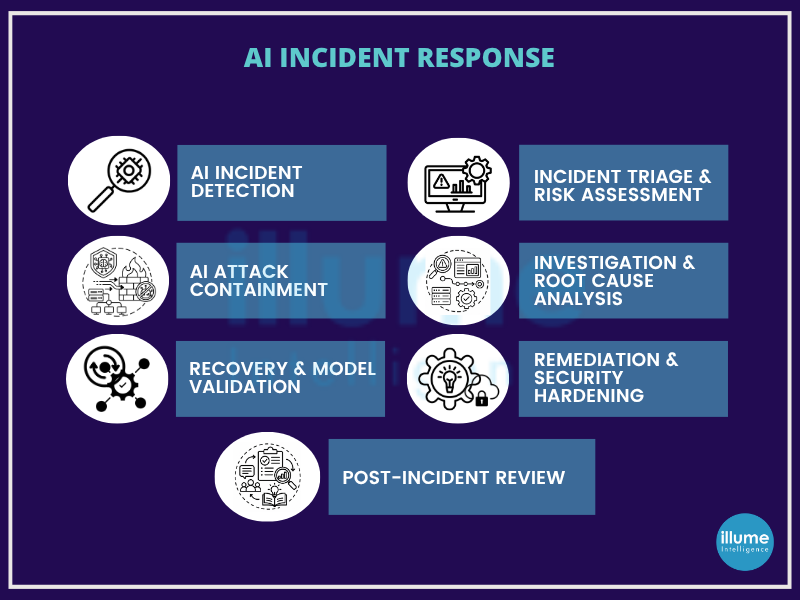
1. Rapid Triage — We assess the scope and severity of the incident immediately, determining what's actually happening and what's at stake.
2. Containment — We help your team contain the incident quickly, whether that means disabling a feature, rotating credentials, or restricting model access.
3. Root Cause Investigation — We dig into how the incident happened, whether it's a prompt manipulation, a pipeline compromise, or an unintended interaction between systems.
4. Evidence Preservation — We document and preserve technical evidence needed for regulatory disclosure, legal review, or insurance claims.
5. Remediation Guidance — We provide concrete recommendations to close the gap that caused the incident and prevent recurrence.
6. Post-Incident Reporting — You receive a full incident report suitable for leadership, regulators, and affected stakeholders, along with lessons-learned recommendations.
What's Offered Under AI Incident Response
* On-call AI incident response retainers with guaranteed response times
* Ad-hoc incident investigation for organizations without a retainer
* Root cause analysis for AI-specific security incidents
* Regulatory and stakeholder-ready incident documentation
* Post-incident remediation and hardening recommendations
* Tabletop exercises to prepare your team before a real incident occurs
Why Standard Incident Response Playbooks Fall Short
Most incident response teams are trained to investigate network intrusions, malware, and credential compromise — not a language model that was talked into revealing information it was never supposed to share. AI incidents require understanding prompt-based attack patterns, model behavior, and agentic system logic that traditional IR playbooks simply don't cover. Bringing in a team without that specific expertise during a live incident often means slower containment and a root cause analysis that misses the actual failure point.
Be Ready Before It Happens
The organizations that handle AI incidents best are the ones who didn't wait for one to happen before building a response plan. Pairing this service with AI Red Teaming, AI VAPT, or Secure AI Development significantly reduces the odds of a serious incident in the first place — and having an incident response retainer in place means your team isn't searching for AI security expertise for the first time while an incident is actively unfolding.
What Makes ILLUME's Approach Different
* AI-specific expertise, not generalist IR. Our responders understand how LLMs, agents, and AI pipelines actually fail, so investigations move faster and root cause findings are accurate.
* Built for speed when it matters most. Retainer clients get guaranteed response times, because during an active AI incident, hours matter for containment and reputational impact alike.
* Connected to our full AI security practice. Because we also perform AI red teaming, VAPT, and secure development work, our incident responders bring pattern recognition from testing dozens of AI systems, not just responding after the fact.
What You Will Receive
* Rapid incident triage and containment support
* A detailed root cause investigation report
* Preserved technical evidence for legal, regulatory, or insurance purposes
* Stakeholder and regulator-ready incident documentation
* Concrete remediation and hardening recommendations
* A post-incident debrief with lessons-learned guidance for your team
Why This Matters Now
As AI systems handle more customer interactions, more sensitive data, and more autonomous actions, the blast radius of an AI incident keeps growing. Regulators are beginning to expect organizations to demonstrate they have a plan for AI-specific incidents, not just traditional breach response. And unlike a quiet backend vulnerability, many AI incidents play out publicly and immediately, in a chat window a customer can screenshot. Having AI-specific incident response ready before that happens is quickly becoming a baseline expectation, not a luxury.